Wells, bones, and the statute of limitations: How the Turkish state gets away with murder
Rengin Azizoğlu, The AMARGI
May 13, 2026
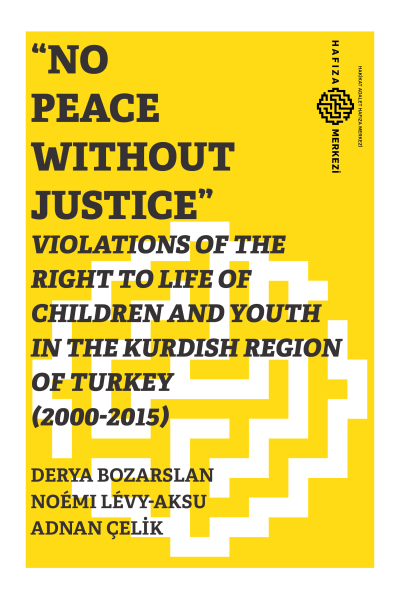
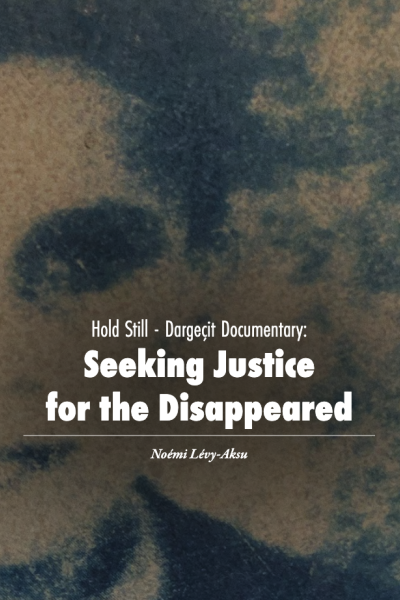
In 1995 and 1996, in Mardin (Mêrdîn) in Kurdistan in Turkey (North Kurdistan), five adults and three children were abducted and murdered in what came to be known as the Dargecit JITEM case. This week, Turkey’s top court dismissed the unsolved case due to the country’s statute of limitations, closing one of the most significant enforced disappearance trials from the 1990s without any perpetrator being held accountable – despite overwhelming evidence, including the bodies being found in a sealed water well.
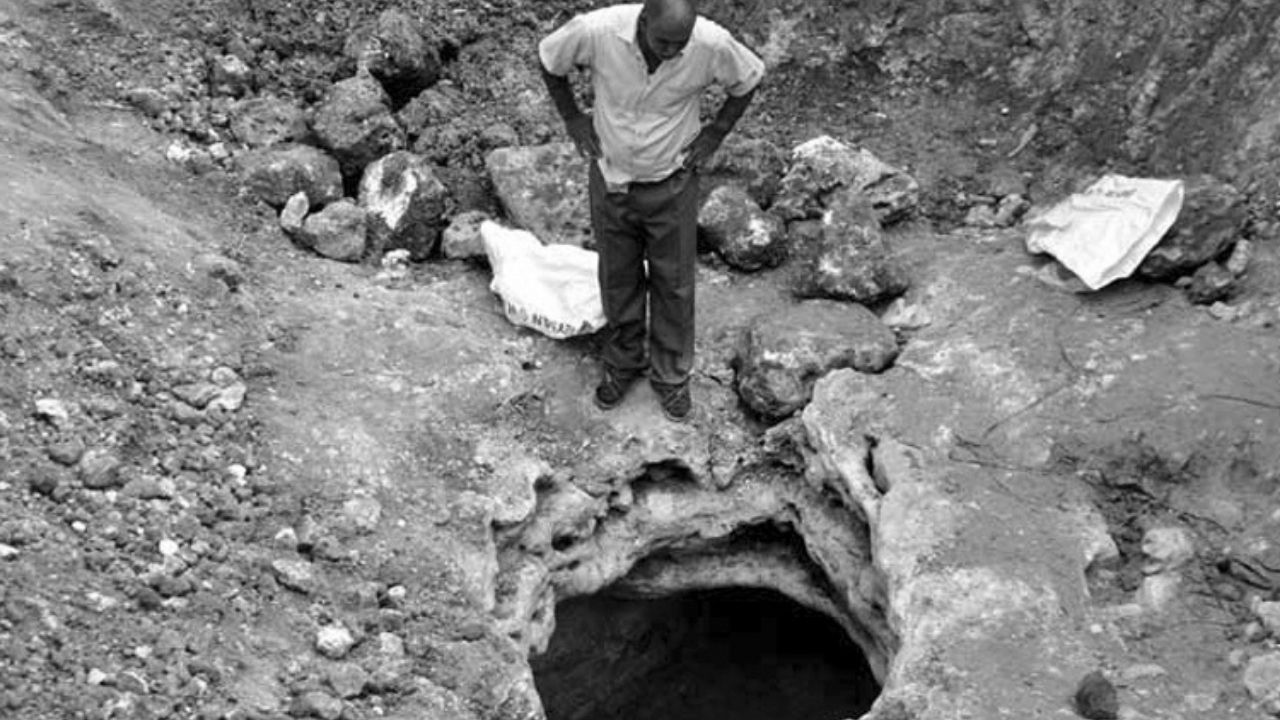
The well had been shut with massive stones. Prosecutors and forensic experts had already abandoned the site after earlier excavations produced no results, but relatives of the disappeared insisted on exploring another location that local residents had mentioned. While waiting for excavation machines, two of the relatives climbed down into the well and began removing the stones with their bare hands.
Years later, one of the case lawyers, Eren Keskin, recalled that moment by writing that the relatives were digging beneath the stones not for the bones of a dead body, but “with the hope of reaching someone alive.” Beneath the stones, they first found charred wood, and then human bones. Hazni Dogan, brother to one of the victims, Seyhan Dogan, recognized an article of clothing among the remains. “This is my brother’s sweater,” he said.
The bones recovered from those wells became some of the clearest bits of evidence of enforced disappearances in Kurdish provinces during the 1990s. And yet, the Dargecit case was closed with a statute of limitations ruling, without a just conclusion.
The ruling points to a deeper problem: how enforced disappearances in Kurdish provinces during the 1990s were left unpunished, and how that impunity continues today.
The geography of enforced disappearances
During the 1990s, Turkey’s Kurdistan was governed under the OHAL (State of Emergency) regime. Village evacuations, extrajudicial killings, torture, unregistered detentions, and enforced disappearances were all part of the same security regime. People were taken from homes, streets, and checkpoints. Some were last seen at gendarmerie stations or unofficial detention sites. Some were found days later on roadsides, in wells, or in fields in rural areas. Others have never been heard from again.
According to human rights organizations, thousands of people were forcibly disappeared during this period. But the exact number has never been established. Following investigations launched after 2009, only 12 cases concerning 84 individuals were ever brought to court, according to trial monitoring archives compiled by rights groups.
Applications filed by relatives of the disappeared have often been ignored, families have been threatened, and those who vanished were accused of being “PKK* members” or of having “gone to the mountains” – meaning they had joined the PKK. By also denying that the missing were at one point detained by authorities, the state also destroyed the possibility of uncovering the truth.
“The prosecution never probed deep enough to fully expose this vast JITEM structure and its organized nature. In this way, the systematic character of the crime was rendered invisible.”
JITEM, the state’s secret forces
Although the Turkish government officially denied the existence of JITEM for many years, parliamentary reports, witness testimonies and court files later exposed the existence of the Gendarmerie Intelligence and Counter-Terrorism structure, JITEM* for short, within the gendarmerie. Yet, when investigating past crimes, this structure was never comprehensively prosecuted. Related case files were fragmented and left pending for years; most trials ended either in acquittals or with rulings based on the statute of limitations.
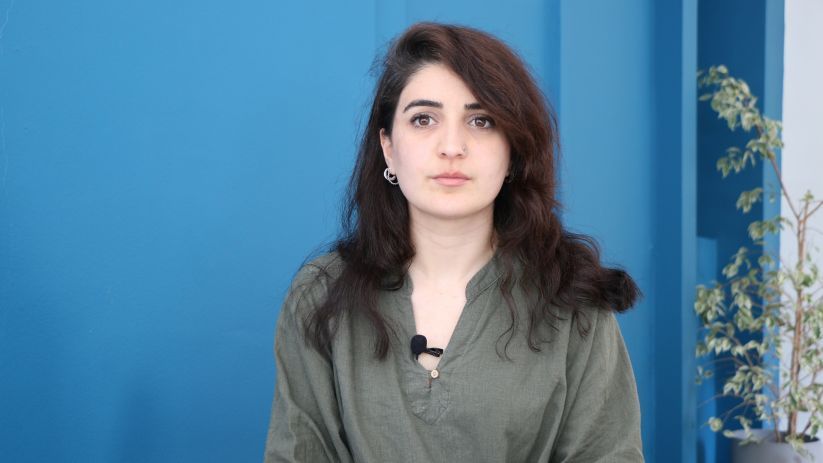
Today, no cases concerning enforced disappearances from the 1990s remain open. Esra Kilic, an attorney from the Memory Center’s Legal Department, believes this approach was not accidental: “The prosecution never probed deep enough to fully expose this vast JITEM structure and its organized nature. In this way, the systematic character of the crime was rendered invisible.”
The Dargecit case file
The Dargecit case concerns the enforced disappearance of eight people, three of them children, in the Dargecit district of Mardin between 1995 and 1996. Seven civilians disappeared following house raids and detentions, and the final individual was specialist sergeant Bilal Batitrir.
Batirir’s role in the case is significant: serving in the military and stationed in the region at the time, Batirir was also one of the perpetrators. According to a criminal complaint filed by his wife in 1996, before his disappearance, Batirir had stated that certain individuals had been detained, killed, and thrown into abandoned wells on the orders of Dargecit District Gendarmerie Commander Mehmet Tire. After confessing to what had happened, Batirir disappeared.
The families first filed complaints in 1995. For years, no meaningful investigation was carried out. The turning point came in 2012, when excavations based on witness testimonies began. Following excavations in different locations, the bones of seven civilians were recovered. Batirir’s remains were not among them.
“These crimes were not isolated incidents. They were committed in the name of the state. If these individuals are punished, the state itself will be punished.”
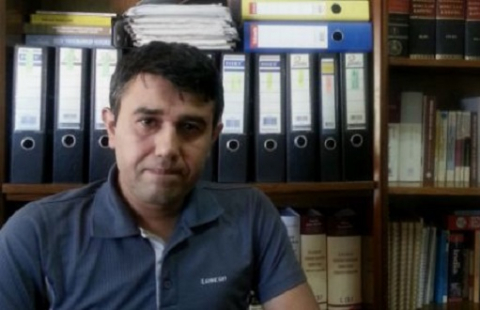
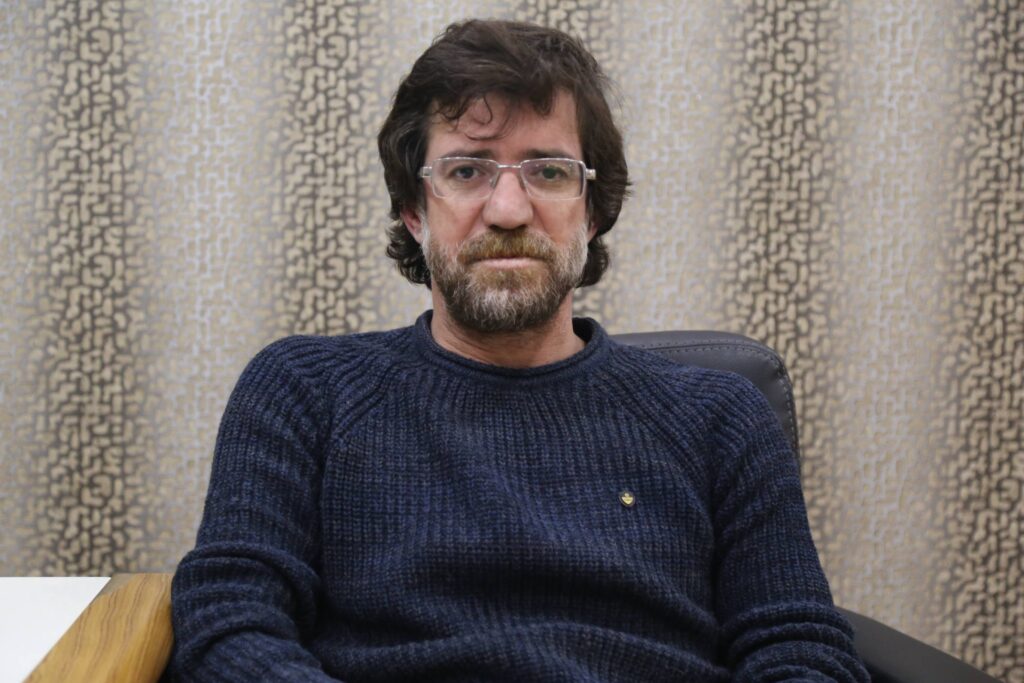
Litigation attorney Erdal Kuzu said that at this stage, the case had become too concrete to leave any room for doubt. “The bodies were found. The National Intelligence Organization (MIT) submitted documents to the court. People who had been detained and later released testified before the court. The district governor of the time said the families had come to him for help. People who entered gendarmerie stations alive were later found dead. There can be no greater evidence than this,” Kuzu said.
Eighteen people – including then-commander of the Mardin Gendarmerie Commando Battalion Hursit Imren, Dargecit Central Gendarmerie Station Commander Mahmut Yilmaz, Deputy Commander Haydar Topcam, and gendarmerie commander Mehmet Tire, as well as soldiers and village guards – were put on trial. The case was then transferred from Mardin to Adiyaman for “security reasons”.
Despite all the evidence, the Adiyaman 1st High Criminal Court acquitted all defendants in 2022. The court cited a lack of “conclusive evidence”. In 2024, the regional appeals court upheld the acquittals.
Kuzu argued that rather than exposing the reality of unregistered detentions, the court used the “absence of camera footage from 1995” to protect the defendants – a practice that reflects a century of state intervention in sensitive court cases. “These crimes were not isolated incidents. They were committed in the name of the state. If these individuals are punished, the state itself will be punished. That is where this protective reflex comes from.”
“The file was intentionally left waiting for more than two years and was intentionally pushed into the statute of limitations.”
Additionally, the acquittal and statute of limitations rulings cannot be separated from the political climate after 2015, Kuzu said, arguing that with the collapse of the peace process, security policies once again hardened. “Some figures who had served during the 1990s and later remained sidelined were reassigned after 2016,” he said. “They began to feel powerful and protected again. That mentality was reflected in the judiciary. From that point onward, acquittal rulings started to appear in similar cases.”
Time works in favor of the perpetrators
In the final stage of the case, time became decisive. Kuzu said that after the file reached the high court, they warned Turkey’s Court of Cassation that the statute of limitations was approaching.
But the file remained pending. Three days after the 30-year extraordinary statute of limitations period expired on March 8, 2026, the court ruled to dismiss the case on the grounds of that expiration. “The file was intentionally left waiting for more than two years and was intentionally pushed into the statute of limitations,” Kuzu said.
Attorney Esra Kilic describes this as a deliberate method. “Delaying cases, fragmenting files, avoiding the establishment of connections, and ultimately allowing time to prevail over accountability. The statute of limitations is an extremely convenient tool for concealing state crimes,” she said.
In legal conventions, an enforced disappearance is considered a continuing crime so long as the fate of the disappeared person remains undisclosed and the perpetrators are not held accountable. Under international law, widespread enforced disappearances are considered crimes against humanity and are not subject to statutes of limitations.
Turkey, however, is not a party to the International Convention for the Protection of All Persons from Enforced Disappearance, and enforced disappearance is not defined as a separate criminal offense under the Turkish penal code. European Court rulings against Turkey on enforced disappearances never evolved into a genuine reckoning with state crimes from the 1990s. For that reason, the statute of limitations ruling represents far more than a legal outcome.
As Kilic said, “At the end of 30 years, you are told to forget. It is treated as though no crime was ever committed. In the end, it is not the perpetrators who are punished here, but those left behind.”
Policing memory
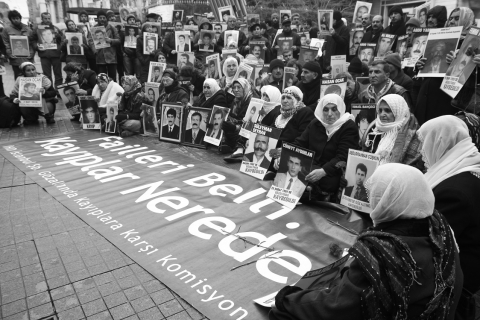
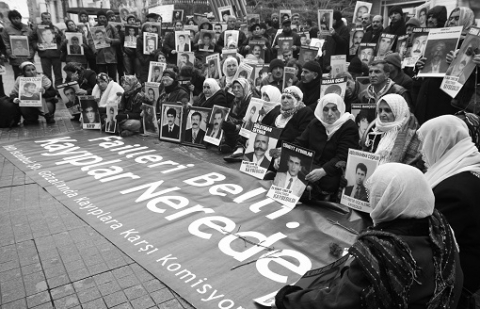
Since 1995, the Saturday Mothers have gathered in Istanbul’s Galatasaray Square demanding justice for the disappeared and their missing loved ones, making the square a site of public memory for the disappeared whose existence was denied by the state. However, that space of memory was likewise suppressed.
In 2018, on the group’s 700th weekly vigil, police intervened to disperse the demonstration, and in its aftermath, Galatasaray Square was closed to relatives of the disappeared for years. Despite rulings by the Constitutional Court that their right to assembly and demonstration had been violated, restrictions continued.
Kilic stressed that at this point, the right to the truth does not belong only to the families, “This is both an individual and a collective right,” she said. “All of us have the right to know what happened and who was responsible.” Referring to the current peace process between the now-dissolved PKK and the Turkish state, she argued that, alongside a ceasefire, lasting peace requires recognizing grave human rights violations, establishing truth commissions and other mechanisms, creating spaces of memory, and transforming the official historical narrative.
“The killings were political; justice will also have to be political.”
The truth in the Dargecit case surfaced through the families’ years-long struggle. Without the families’ persistence, the bones hidden in the wells would never have been uncovered. “We achieved our objective in this case. This judicial process carried the voices and the legitimacy of the Dargecit families to far beyond Dargecit,” Kuzu said. “At least the families now have graves they can go to. The defendants may have escaped through the statute of limitations, but they will never bury the truth.”
However, he argued that a lasting solution cannot come solely from existing courts. Reiterating their commitment to the truth, he said they will exhaust the path of individual application before the Constitutional Court, but that he does not expect the current judicial structure to issue a strong ruling that would pave the way for retrials. The real issue, he concluded, is confronting crimes, committed in the name of the state, at a political level: “The killings were political; justice will also have to be political.”
* PKK: Kurdistan Workers’ Party, a Kurdish movement that began an armed insurgency against the Turkish state in the 1980s, with the hope of achieving Kurdish self-determination. The party formally disbanded in 2025, after the start of the peace process with the Turkish state.
*JITEM: Jandarma İstihbarat ve Terörle Mücadele